





I left the consultation with all my doubts resolved. The doctor explained everything to me with detail, patience, and kindness. Very satisfied!

Excellent professional. Very clear explanations and he/she clearly has a strong command of the subject.
He studies my case in detail and with interest. He inspires confidence and professionalism.
I really liked the treatment and the explanations you gave me about my condition... I left the consultation feeling calm and confident that I am in good hands.
Very happy with the treatment and the progress of my surgery.
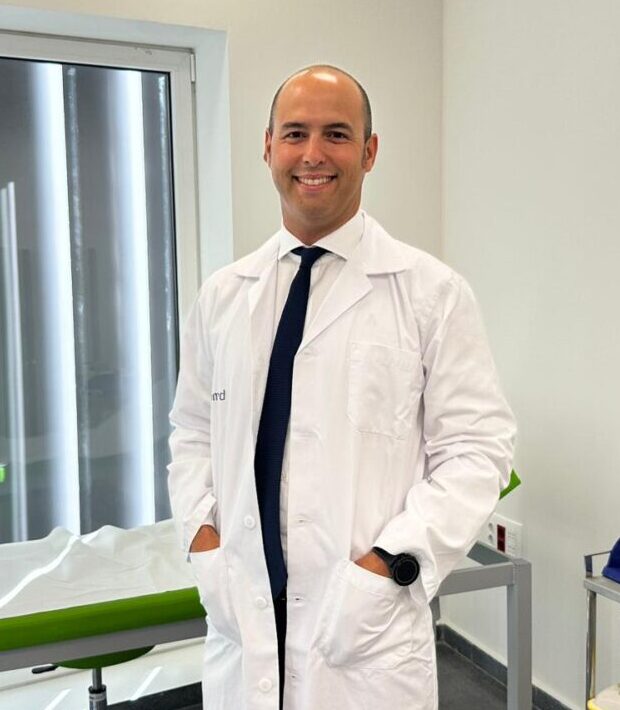
Dr. Arteaga is an exceptional professional. He operated on me for spinal stenosis, and I can only give him a 10 out of 10. As a person, I have no words – he's approachable, attentive, explains everything perfectly, and his interest is palpable from the very first minute. I can only thank him. After being unable to walk for 10 months, I now have a completely normal life.
Very attentive and professional, explains everything in great detail, and gives you confidence and closeness.
A great doctor.
Very satisfied with the intervention
Excellent personal treatment. Great professional. Resolved all the doubts I've had for two years. And offers a correct solution.
Excellent attention. A good professional who inspires confidence from the first visit; he explained everything in detail and resolved my doubts very well.
Excellent reception and consultation, but a 1-hour delay
I am very grateful to Francisco Arteaga Romero for his attention to detail during the examination and consultation.
I had to wait because they were running late, but it was worth it because as long as the delay is due to giving thorough attention to people, it's welcome. She was very kind, explained everything perfectly, and answered all my questions. I felt in good hands and it gave me confidence.
Very defined and professional, clarifying, no objections whatsoever